What is Hypertension?
Hypertension, also called high blood pressure, is a common health problem. It happens when the force of blood against your artery walls stays too high for a long time. Over time, this can damage your heart and other organs. In the US, millions of people have hypertension, but many do not know it. Because it often has no clear signs, it is sometimes called the “silent killer.” Knowing your blood pressure numbers is the first step to staying healthy.
Why Knowing Your Numbers Matters
First, knowing your blood pressure numbers helps you spot problems early. If you catch high blood pressure soon, you can take steps to lower it. This can prevent serious health issues, such as heart disease or stroke. In fact, the CDC says that controlling blood pressure can save lives. Even if you feel fine, checking your numbers is important. Many people with high blood pressure do not notice any symptoms.
Symptoms and Risks of High Blood Pressure
Usually, high blood pressure does not cause symptoms. However, some people may notice:
Still, most people feel normal. That is why regular checks are key. If left untreated, hypertension can lead to:
Because these risks are serious, it is wise to take action early.
How to Measure and Understand Your Blood Pressure
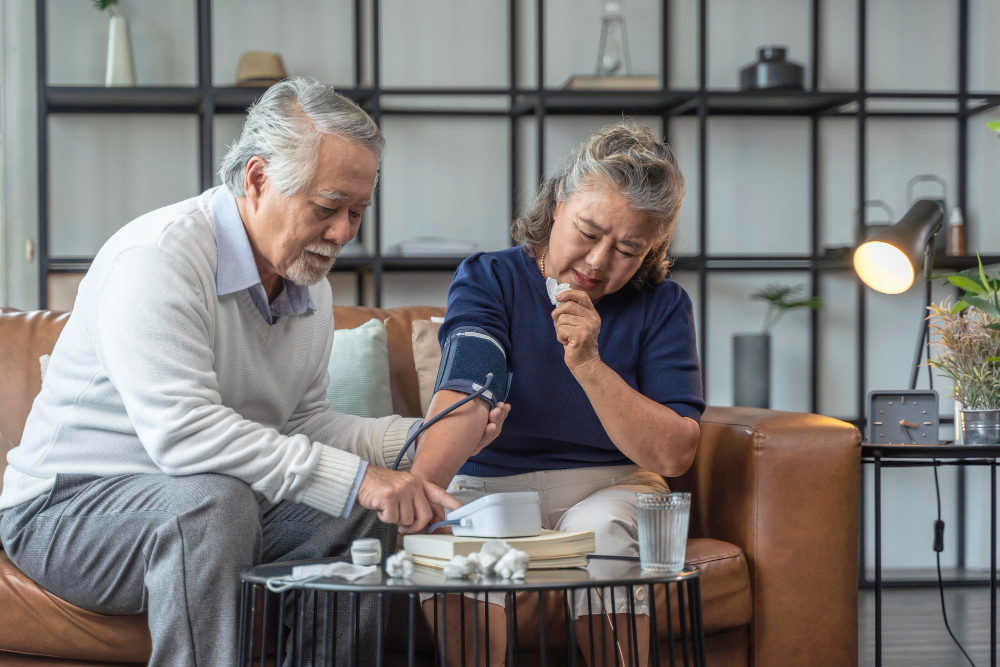
Checking your blood pressure is simple. You can do it at a clinic, pharmacy, or at home with a monitor. Here is how to check blood pressure:
Blood pressure is given as two numbers, like 120/80 mmHg. The first number (systolic) shows the pressure when your heart beats. The second number (diastolic) shows the pressure when your heart rests. Normal blood pressure is usually below 120/80 mmHg. If your numbers are higher, you may have hypertension. Always talk to your doctor to understand your results.
Lifestyle Tips to Control Hypertension
There are many ways to lower high blood pressure. For example, you can:
Even small changes can make a big difference. If you take medicine, always follow your doctor’s advice.
Prevention: Protecting Your Heart Health
Preventing heart disease from hypertension is possible. First, know your numbers and check them often. Next, follow a heart-healthy lifestyle. In addition, see your doctor for regular check-ups. The World Health Organization says that healthy habits can lower your risk. If you have a family history of high blood pressure, be extra careful. Early action helps protect your heart and your life.
When to See a Doctor
If you have high blood pressure readings, do not wait. See a healthcare professional soon. Also, if you notice symptoms like chest pain, severe headache, or trouble breathing, get help right away. Regular visits help you stay on track. Your doctor can give you advice that fits your needs.
To sum up, knowing your blood pressure numbers is key to good health. Take steps today to protect your heart. Consult a healthcare professional to check your blood pressure and get personalized advice.